How to Shoot for Condé Nast Traveller: A Photographer’s Guide
Shooting for Condé Nast Traveller is not about exotic locations or expensive equipment. It is about restraint, atmosphere and storytelling.
As an editorial travel photographer, I’m often asked how photographers can work towards this level of publication. This guide breaks down what actually matters, and how to develop a visual approach that editors respond to your emails and notice you.


The Editorial Eye
Editors respond to coherence rather than perfection. An editorial eye is built through repetition, observation, and an understanding of how images work together to tell a story.
But they also respond to what feels different. Originality. A point of view. Something not already saturated on Instagram. Trying to look like everyone else is the fastest way to become invisible.
Be curious. Push past trends. Trust your instincts.
Be innovative. Be you. That’s how you stand out.

Light Over Location
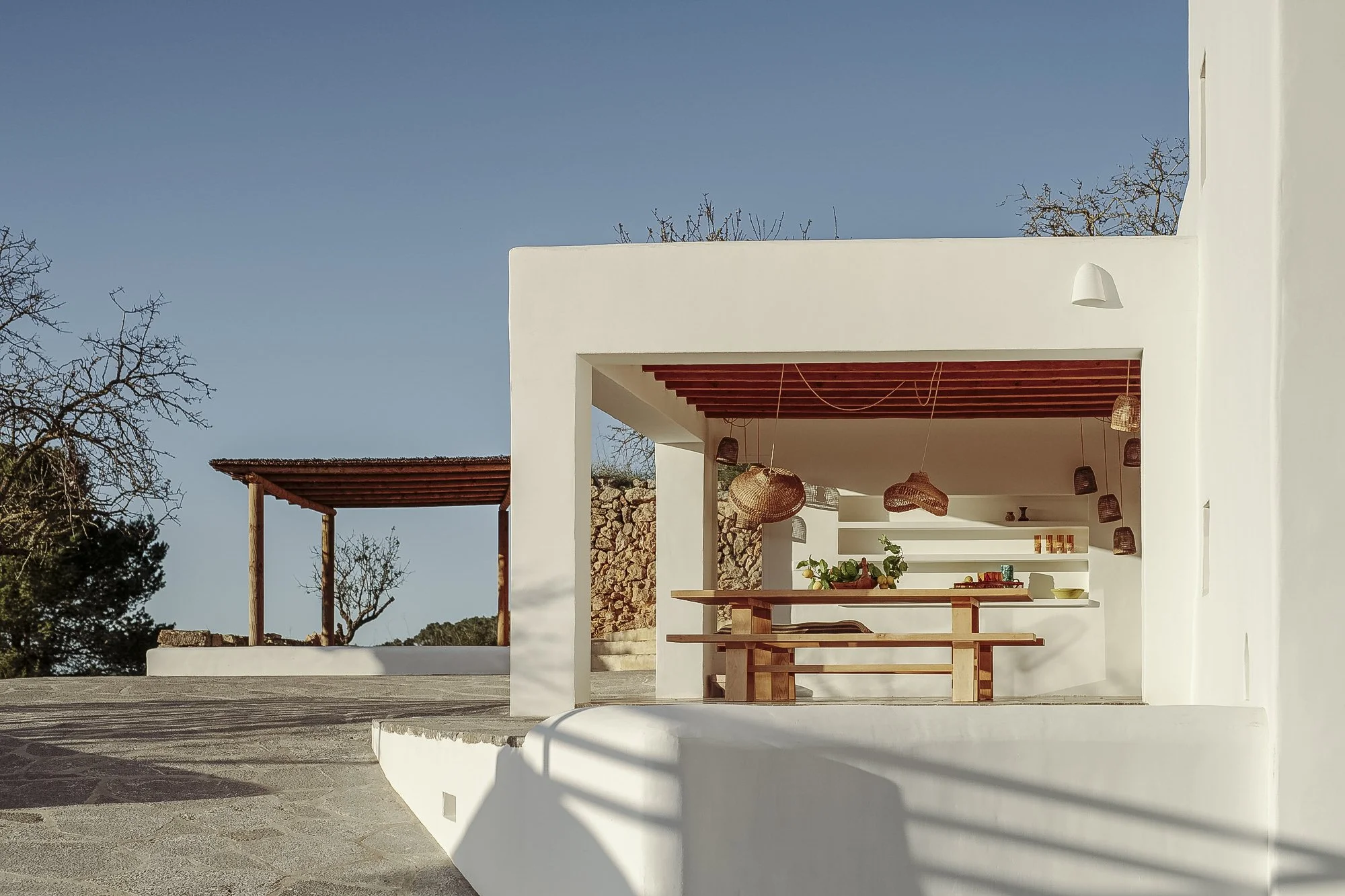
Great travel photography is rarely about where you are. It’s about when, how the light moves, and how much you choose to include - or leave out.
Simplicity creates mood. Editing is part of seeing.
A beautiful location helps, of course. But a strong image comes from awareness, patience, and intention - not a pin dropped on a map.
What a Strong Editorial Portfolio Looks Like
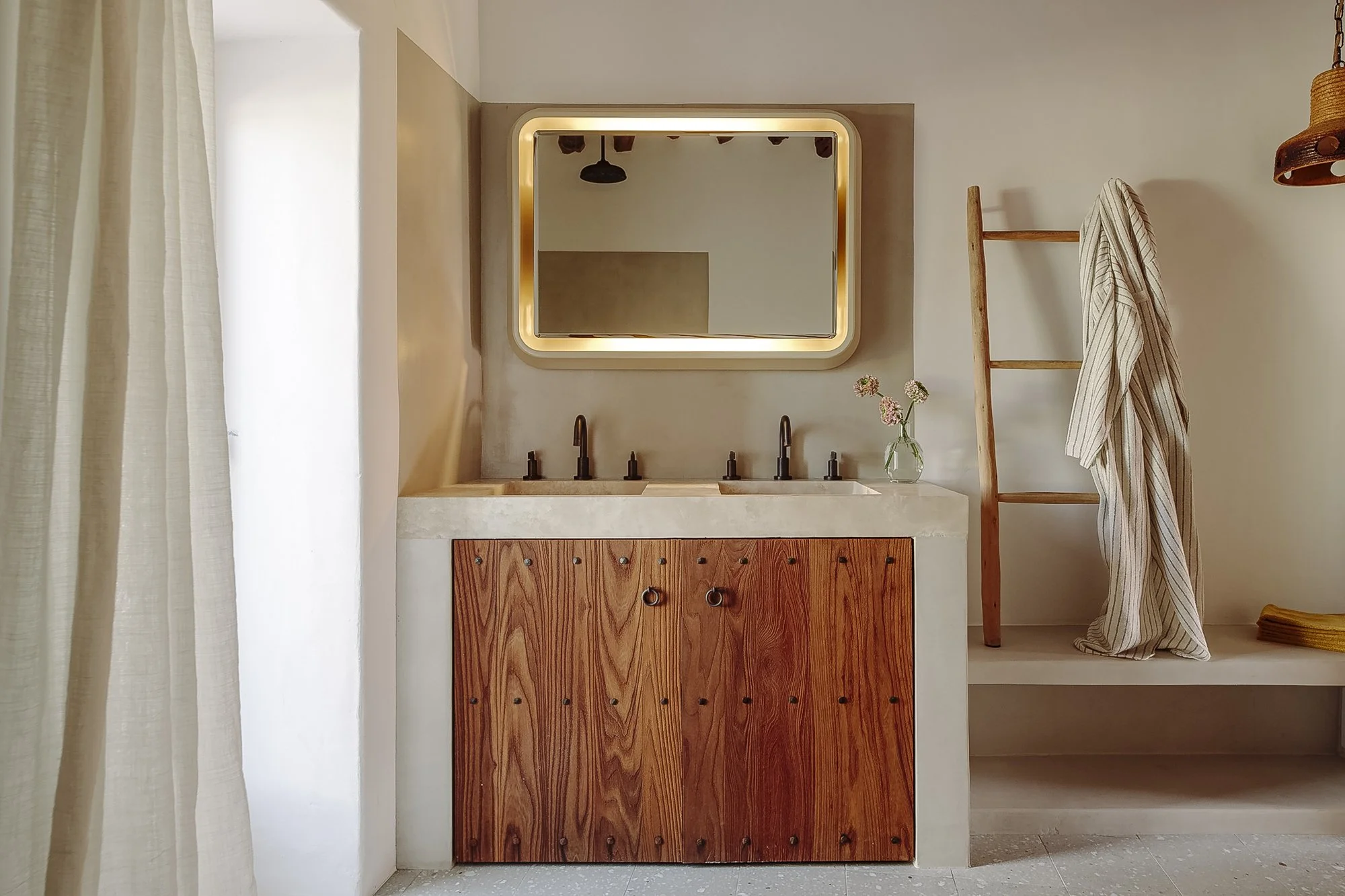
Strong portfolios are tight, intentional and calm. Fewer images, clearly connected by mood and visual language.
They’re built from fewer images, but each one belongs. There’s a clear thread running through them: a shared mood, a consistent way of seeing, a visual language you can feel without needing it explained.
Nothing is included “just because it’s OK or usable.” Every image supports the next, creating rhythm and coherence rather than noise. Space matters. Editing is an act of confidence.
A calm portfolio tells an editor you know who you are, and that you trust your eye.
Working With Editors
Editors value reliability, clarity and consistency. Understanding briefs, deadlines and visual pacing is as important as the photographs themselves.
Common Mistakes Photographers Make
Overshooting, chasing trends, and prioritising destinations over storytelling are some of the most common reasons photographers struggle to progress editorially. When the focus is on volume, novelty, or what’s currently performing online, clarity and intention tend to get lost.
The same often shows up in the professional side of the job. A lack of editing discipline makes it harder to meet schedules and deadlines. Without a clear point of view, it becomes difficult to represent a publication or brand consistently and thoughtfully.
Editorial work isn’t just about making strong images - it’s about reliability, awareness, and professionalism. Understanding the brief, respecting time, delivering calmly and on schedule, and knowing when an image serves the story (and when it doesn’t) are what build trust. And trust is what allows a photographer to keep progressing.
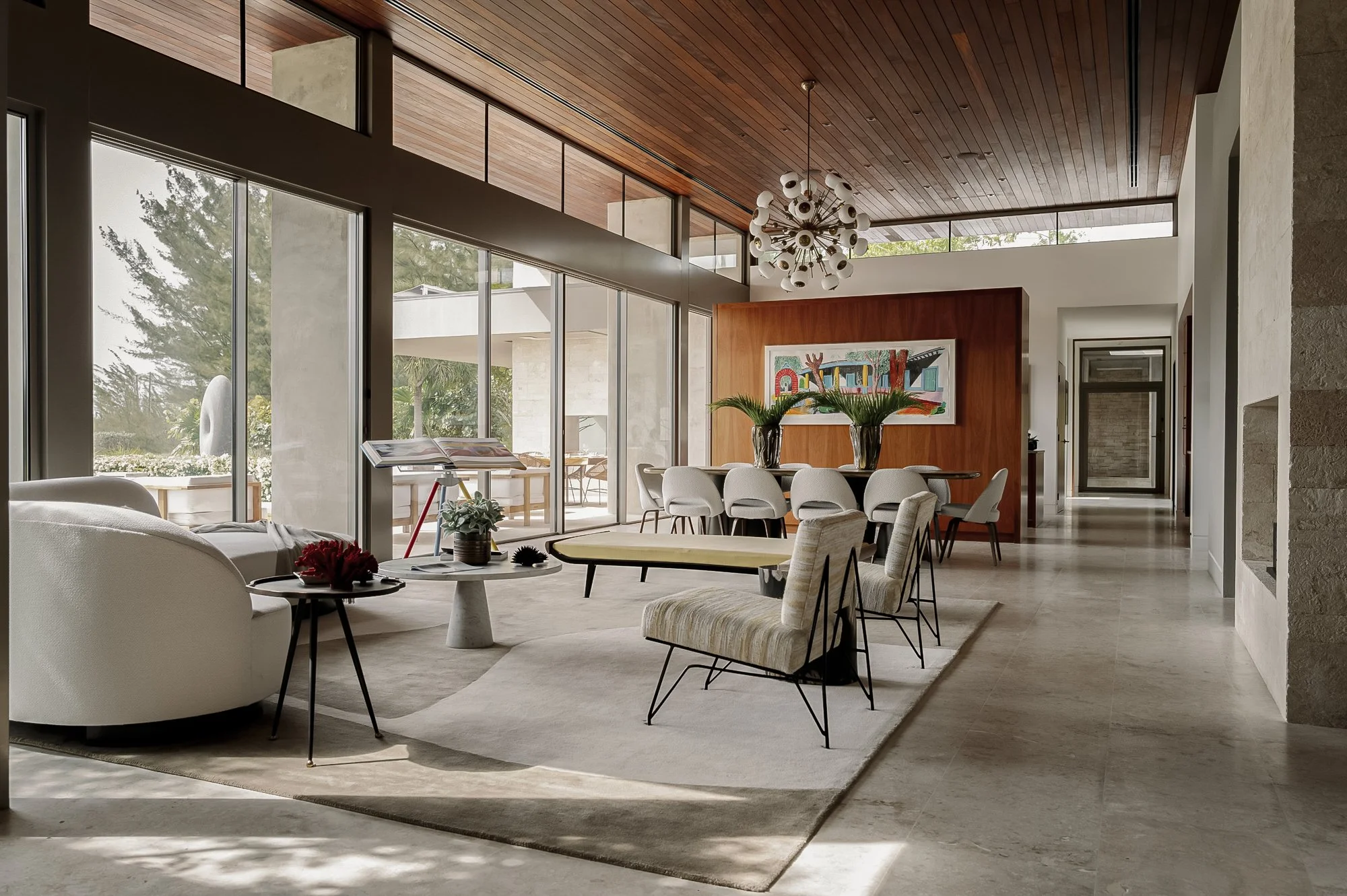
These principles are taught in depth inside my online photography masterclass, Ana Lui Teaches, for photographers who want to develop an editorial approach with clarity and confidence.
